
"coffee climate needs"
8000 article(s) found

What conditions do Rwandan coffee trees need to grow?
Rwanda throughout the multi-mountain and plateau, most of the region is a tropical plateau climate and savanna climate, mild and cool. With its natural conditions of high altitude and fertile volcanic soil, the country's fertile soil and favorable climate are conducive to plant growth. Rwanda is the only country in the world that can fully enjoy the harmony between soil, elevation and climate. In this unique

China's most suitable microclimate for coffee cultivation Introduction to coffee cultivation on the environmental needs
China's most suitable microclimate for growing coffee Introduction to the environmental needs of coffee cultivation The origin of coffee trees is Ethiopia in Africa. Coffee tree in botany, belongs to the Rubiaceae coffee subgenus evergreen tree, and generally known as coffee beans, survey is the coffee tree fruit seeds, only because the shape like beans, so called coffee beans. Climate is coffee growing
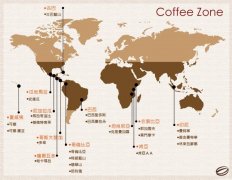
Global warming | impact of Climate on Coffee cultivation three difficult problems of Coffee Belt transfer and cultivation
There may be no greater existential threat to coffee and the world as a whole than climate change. We often talk about climate change in coffee, and it is generally believed that global warming will have a negative impact on the way coffee is grown. But how exactly does climate change affect coffee? In order to better understand, let's study some of the ways in which temperature change destroys coffee production.

What conditions do coffee trees need for planting? do they have high requirements on local climate?
The origin of the coffee tree is Ethiopia in Africa. In botany, coffee trees belong to the evergreen trees of the subgenus Rubiaceae, and coffee beans, commonly known as coffee beans, are the seeds of the fruit of coffee trees, just because they are shaped like beans, so they are called coffee beans. Climate is the decisive factor for coffee cultivation. Coffee trees are only suitable for growing in the tropics or subtropics, so latitude 25 is south and north.

What kind of environment and climate do you need to grow coffee trees?
In Cuscacbapa, El Salvador, packaged coffee beans are about to be exported to El Salvador. Coffee from El Salvador is a specialty of Central America, where it is light, aromatic, pure and slightly sour. Like Guatemala and Costa Rica, coffee in El Salvador is graded according to altitude, and the higher the altitude, the better the coffee. The best brand is Pipil

With the global warming, the production of boutique coffee may be reduced.
Half of the arable land needed to produce coffee will disappear by 2050. This is the result of a new research model that assesses how climate change will change the conditions under which coffee beans grow, such as temperature and rainfall. The researchers first acquired Arabica Coffee (coffeaarabica) and Robusta Coffee (coffea), the two main coffee species currently used in the world.

What are the local conditions? How is coffee naturally affected by climate, soil, etc.?
We often hear the word "local conditions" when we talk about coffee, but what exactly does it mean? Does it have anything to do with the flavor of coffee? Why do we need to care about the local environment? The author interviewed some people in the coffee and wine industries and asked them to tell you what was going on in the country. What are the local conditions? The word vernacular conditions comes from the French Terroir, which is most commonly used when talking about wine.

Brazilian coffee bean producing areas introduce Minas boutique coffee bean flavor characteristics information Brazilian coffee culture
Professional coffee knowledge exchange for more information about coffee beans, please follow the coffee workshop (Wechat official account cafe_style). They are classified according to the state of origin and the port of transport. Brazil has 21 states and 17 states produce coffee, but seven of them produce the most, accounting for 98% of the country's total output. The terrain of Brazil is mainly divided into two parts, one of which is above 500 meters above sea level.

Current situation of Coffee Agricultural Market in 2020 Strategy and Plan of Coffee planting in WCR World Coffee
Coffee agriculture in 2020, the world has been subjected to an unprecedented test, and coffee agriculture is no exception. The global pandemic is an indisputable testament to the resilience of diversity, whether we are talking about the supply chain of individual coffee farm roasters, the global economy as a whole or coffee genetic diversity. Coffee companies need to build resilience to thrive in the 21st century. The 21st century
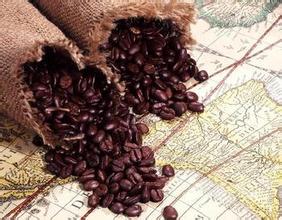
The latest introduction of boutique coffee raw beans Hawaiian Kona coffee
The excellent quality of Kona coffee benefits from the suitable geographical location and climate. Coffee trees grow on the slopes of volcanoes, and their geographical location ensures the altitude needed for coffee growth; the dark volcanic ash soil provides the minerals needed for coffee growth; the climatic conditions are very suitable, and the morning sun gently passes through the steamy air, and in the afternoon, the mountains become more and more.
Panamanian coffee prices about Panamanian coffee you need to know the climatic characteristics of the producing areas.
Most of Central and South America are famous for their fertile soil and other good conditions for growing coffee beans. For example, Costa Rica produces some high-quality, caffeinated coffee. The southern part of Costa Rica that connects the two regions is Panama. Coffee producing areas are no exception, because it produces some excellent coffees

What are the local conditions? How will coffee be affected under these conditions?
Professional coffee knowledge exchange more coffee bean information please follow the coffee workshop (Wechat official account cafe_style) We often hear the word "local conditions" when talking about coffee, but what exactly does "local" mean? Does it have anything to do with the flavor of coffee? Why do we need to care about the local environment? The author interviewed some people in the coffee industry and wine industry and asked them to tell you how the local culture is.
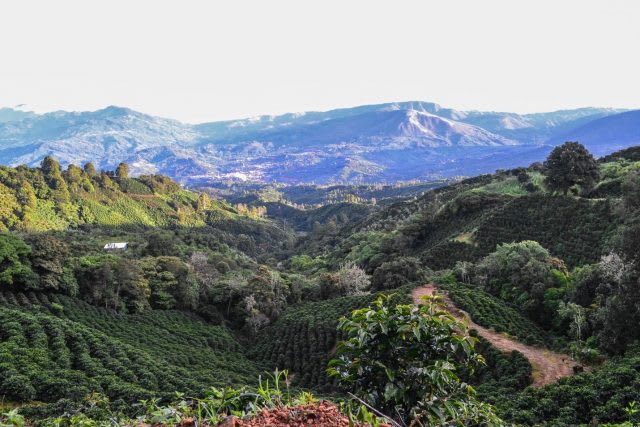
What are the local conditions? What is the effect of local conditions on the flavor of coffee?
Professional coffee knowledge exchange more coffee bean information please follow the coffee workshop (Wechat official account cafe_style) What Is Terroir and How Does It Affect Your Coffee We often hear the word "local conditions" when talking about coffee, but what exactly does "local" mean? Does it have anything to do with the flavor of coffee? Why do we need to care about the local environment? Author mining

Ethiopian coffee climate
Following Cafe (Wechat official account vdailycom) found that Beautiful Cafe opened its own shop for Ethiopian Coffee Climate if you like coffee, there is one more reason to pay attention to climate change. Ethiopia, an important coffee producer, will be greatly affected if global warming is not contained, and at worst nearly 60% of the country's coffee-producing areas will be affected, according to a new study.
Costa Rica urgently needs to stimulate the coffee industry
Due to the decline in coffee prices on the international market, Costa Rican coffee exports totaled US $306 million in 2015, down 26% from US $412 million in 2012, Costa Rica reported on May 12. In the first quarter of 2016, the average world price of coffee was $1.14 per liter, down 26 per cent from the same period in 2014. Affected by climate change and diseases and insect pests at the same time, the coffee growing area of Colombia

Boutique Coffee Costa Rica urgently needs to stimulate the coffee industry
Due to the decline in coffee prices on the international market, Costa Rican coffee exports totaled US $306 million in 2015, down 26% from US $412 million in 2012, Costa Rica reported on May 12. In the first quarter of 2016, the average world price of coffee was $1.14 per liter, down 26 per cent from the same period in 2014. Affected by climate change and diseases and insect pests at the same time, the coffee growing area of Colombia

Coffee farms in Ethiopia may be relocated due to climate change
Professional baristas follow Coffee Workshop (Wechat official account cafe_style) A new study warns that climate change is having a huge impact on coffee farms in Ethiopia, forcing farmers to relocate their farms or lose their crops, foreign media reported. These troubles are caused by rising temperatures and reduced rainfall, resulting in a reduction in coffee cultivation. Decades later, 60% of Ethiopia

Why coffee beans grow higher in the region, the better the quality, the better the growing environment
The higher the quality of coffee beans grows in the region, the better the quality. Roberta coffee trees are native to Congo, Africa, and account for about 20%, 30% of the world's output. Roberta coffee tree is suitable for planting in the lowlands below 500 meters above sea level. It has strong adaptability to the environment, can resist bad climate, resist diseases and insect pests, and is not needed in soil preparation, weeding and pruning.

What conditions do you need to grow Rwandan coffee trees in?
Since the 1920s, Arabica coffee grown in Rwanda has been known worldwide for its distinctive fruity sweetness and intense grassy aroma. In recent years, the Rwandan government has taken active measures to vigorously promote coffee production, establishing coffee production cooperatives in various places, giving farmers technical guidance and financial support, so that coffee production has a good chance.